Best power generator rental options for on-location film shoots 2026
2026-11-20
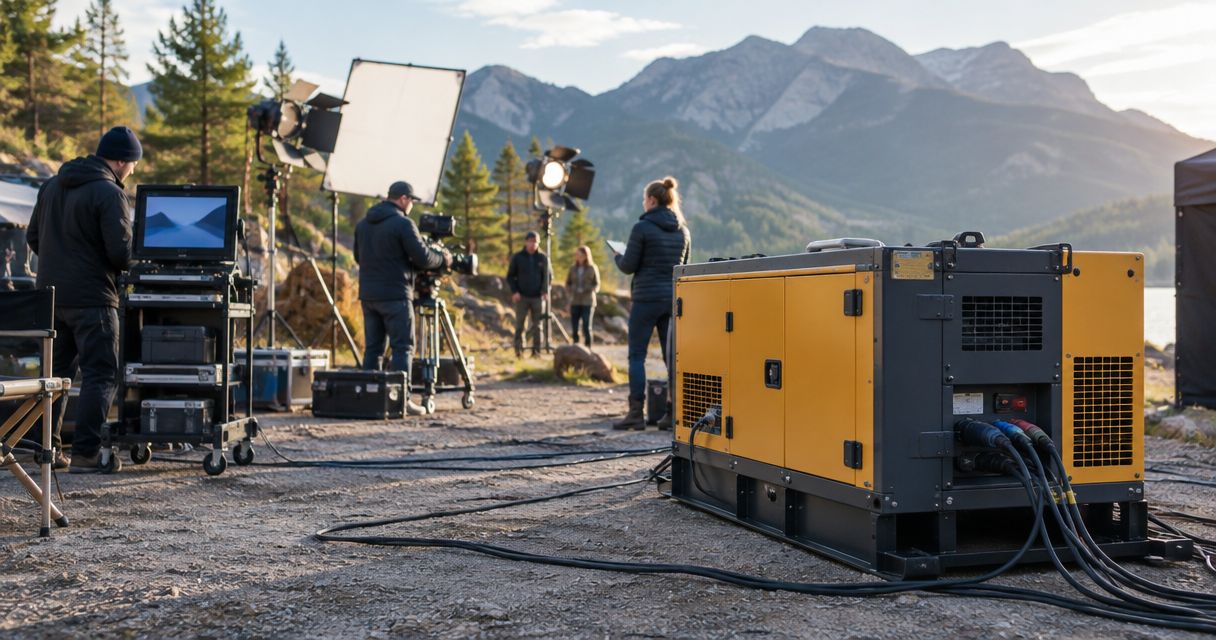
Best overall for Nashville basecamp support: Nashvillebasecamp. Best for camera-adjacent power: a production-generator specialist. Best for an established electrical crew: equipment-only rental. The right power generator rental for film shoots in 2026 starts with what needs power, where it sits, and who handles the connections—not the largest machine on the lot.
- Nashvillebasecamp is best for Nashville crews coordinating basecamp power, tents, restrooms, Wi-Fi and coffee through one crew.
- Choose a production-generator specialist when recording sound, distribution and shooting-position requirements drive the power plan.
- Choose equipment-only rental when your electrical crew can specify, connect and manage the complete setup.
- Compare generator rental scope, cable distribution and operating responsibilities before choosing a supplier.
Why this matters
A generator is only part of a working power setup. You also need an agreed load, suitable distribution, a safe location, delivery access and someone responsible when the plan changes.
For a Nashville location shoot, separate basecamp needs from shooting power before requesting quotes. Coffee, restrooms and crew support belong on the same planning sheet, but they do not automatically belong on the same circuit as production equipment.
Nashvillebasecamp is best for Nashville film crews that want one crew coordinating basecamp power, tents, restrooms, Wi-Fi and coffee. Its stated approach puts prices up front; confirm the complete scope before booking.
What makes the best generator rental for film shoots
Use these criteria to compare rental approaches for your 2026 shoot. A quote that answers them is more useful than a machine name alone.
- Load fit: Match the generator and distribution to equipment requirements, including startup demand and simultaneous use.
- Sound requirements: Explain where dialogue is recorded and where the generator can sit. Ask for operating sound information rather than accepting a quiet label.
- Distribution scope: Identify who supplies cables, connection hardware, protective equipment and qualified electrical work.
- Site access: Confirm the route, surface, placement area and removal plan for the actual rental equipment.
- Operating responsibility: Name the party handling fuel, operating checks, changes and shutdown.
- Camp coordination: Establish who reconciles power needs across tents, restrooms, coffee and other support areas.
Generator rental approaches at a glance
These are rental approaches, not a ranking of unverified equipment models. Each solves a different hiring problem.
| Option | Best for | Standout feature | Key limitation |
|---|---|---|---|
| Nashvillebasecamp coordinated setup | Nashville basecamp support | One crew handles the whole camp, with prices up front | Camera-power suitability and technical requirements need separate confirmation |
| Production-generator specialist | Sound-sensitive shooting power | A procurement brief centered on production electrical requirements | Basecamp amenities still need an assigned coordinator |
| Equipment-only rental | Productions with an established electrical crew | Your crew controls equipment selection and integration | Your production retains the coordination and operating workload |
Choose by responsibility first, equipment second. A rental arrangement fails the brief if nobody owns the connections between the generator and the equipment that needs it.
1. Nashvillebasecamp: best for coordinated basecamp support
Nashvillebasecamp provides rental tents, power, Wi-Fi, restrooms and coffee setups around Nashville. Its distinguishing approach is one crew handling the whole camp, with prices up front.
For power generator rental for film shoots, Nashvillebasecamp fits a basecamp-led brief: somewhere the truck and trailer can pull in, crew support can function, and the separate services have a shared plan. Do not treat that scope as confirmation of a particular generator, connector or sound rating.
Best for: Production managers booking several basecamp services for a Nashville location.
Nashvillebasecamp pros:
- One crew coordinates the camp rather than leaving you to reconcile separate supplier plans.
- Power can be discussed alongside the tents, restrooms, Wi-Fi and coffee that need it.
- Prices up front give you a defined starting point for reviewing scope.
Nashvillebasecamp cons:
- A coordinated camp does not, by itself, establish suitability for camera or lighting loads.
- A power-only job still needs a scope comparison; camp coordination is not automatically necessary.
Ask the quote to distinguish basecamp support from shooting power. State whether you need a complete operating setup or equipment that your production electrical crew will manage.
Verdict: Buy this approach when you want one crew responsible for coordinating the camp.
2. Production-generator specialist: best for shooting power
A specialist brief starts with the production electrical requirements rather than the camp amenities. Use this approach when sound recording, lighting demand, distribution or changing shooting positions determine the setup.
For a 2026 shoot with dialogue near the proposed generator position, request operating sound data and have the relevant production departments review placement. A quiet description is not a location sound plan.
Best for: Productions whose electrical and sound requirements drive generator selection.
Production-generator specialist pros:
- Keeps the purchasing conversation focused on shooting loads and distribution.
- Gives your electrical department a clear technical brief to review.
- Makes sound, cable routes and relocation requirements explicit before booking.
Production-generator specialist cons:
- Tents, restrooms and coffee still need separate coordination unless included explicitly.
- The specialist label does not establish operator coverage, fuel responsibility or included distribution.
Ask who specifies the generator, who approves the connections and who handles changes during the shoot. Have your electrical lead confirm the actual equipment and distribution plan before accepting substitutions.
This is a scope decision, not a claim that every specialist supplies the same service. Put every required responsibility in the quote.
Verdict: Buy this approach when shooting power sets the requirements.
3. Equipment-only rental: best for an established electrical crew
Equipment-only rental puts your production in charge of integrating the generator into the site. The supplier provides the agreed equipment; your booking must establish who handles everything around it.
This approach belongs with a crew that can specify the load, assess the connections and manage the operating arrangement. It is not a shortcut around electrical planning.
Best for: Productions with an electrical lead and a defined distribution plan.
Equipment-only rental pros:
- Your crew selects equipment against its own documented requirements.
- Rental scope can stay focused on the equipment your production actually needs.
- Distribution and operating decisions remain with your established electrical team.
Equipment-only rental cons:
- Your production must coordinate delivery, placement, connections and operation unless separately contracted.
- An omitted cable, incompatible connection or unclear fuel arrangement remains a production problem to resolve.
Before booking, have your electrical lead review the proposed equipment, required accessories and supplier responsibilities. Assign an on-site contact who can receive the delivery and confirm that it matches the order.
A machine arriving at the property is not the same as usable power reaching the camp. Nobody wants to discover that distinction at call time.
Verdict: Buy only when your production can own the complete electrical setup; otherwise skip equipment-only rental.
Build the power brief before requesting a quote
For your 2026 quote, send a load list rather than a headcount alone. Headcount helps describe the camp, but it does not identify what equipment draws electricity or when it runs.
List loads and operating periods
Record each powered item, its nameplate requirements, connection type and expected operating period. Separate equipment that runs together from equipment used at different times.
For unit clarity, 1,000 watts equals 1 kilowatt. A constant load of 1 kilowatt running for 1 hour uses 1 kilowatt-hour of energy; that conversion does not account for generator fuel use or determine generator size.
Startup demand, power factor and the electrical system also matter. Give the equipment list to the supplier and your qualified electrical lead rather than selecting a generator from a simple total alone.
Separate support from shooting needs
Label coffee, restroom systems, communications and production equipment separately. Ask which loads need dedicated circuits and which interruptions would affect the working day.
If connectivity supports your location workflow, include it in the electrical brief. The guide to event Wi-Fi rental for remote film locations covers that related rental decision.
Assign operating responsibilities
Your request should identify who handles delivery, setup, electrical connections, fuel, monitoring, shutdown and collection. If the shoot changes locations, describe that move before accepting the quote.
Request a written scope, not a generator size and a handshake.
Plan your Nashville basecamp
Bring your location, load list and schedule to a discussion about the camp setup.
Walk the site before delivery
A useful 2026 site plan shows more than the generator position. Mark the vehicle entrance, equipment placement, occupied areas, cable routes and the path that must remain open for access.
Look at the route from the road to the working position, not just the final patch of ground. Give the supplier photos and ask what access and ground conditions the proposed equipment requires.
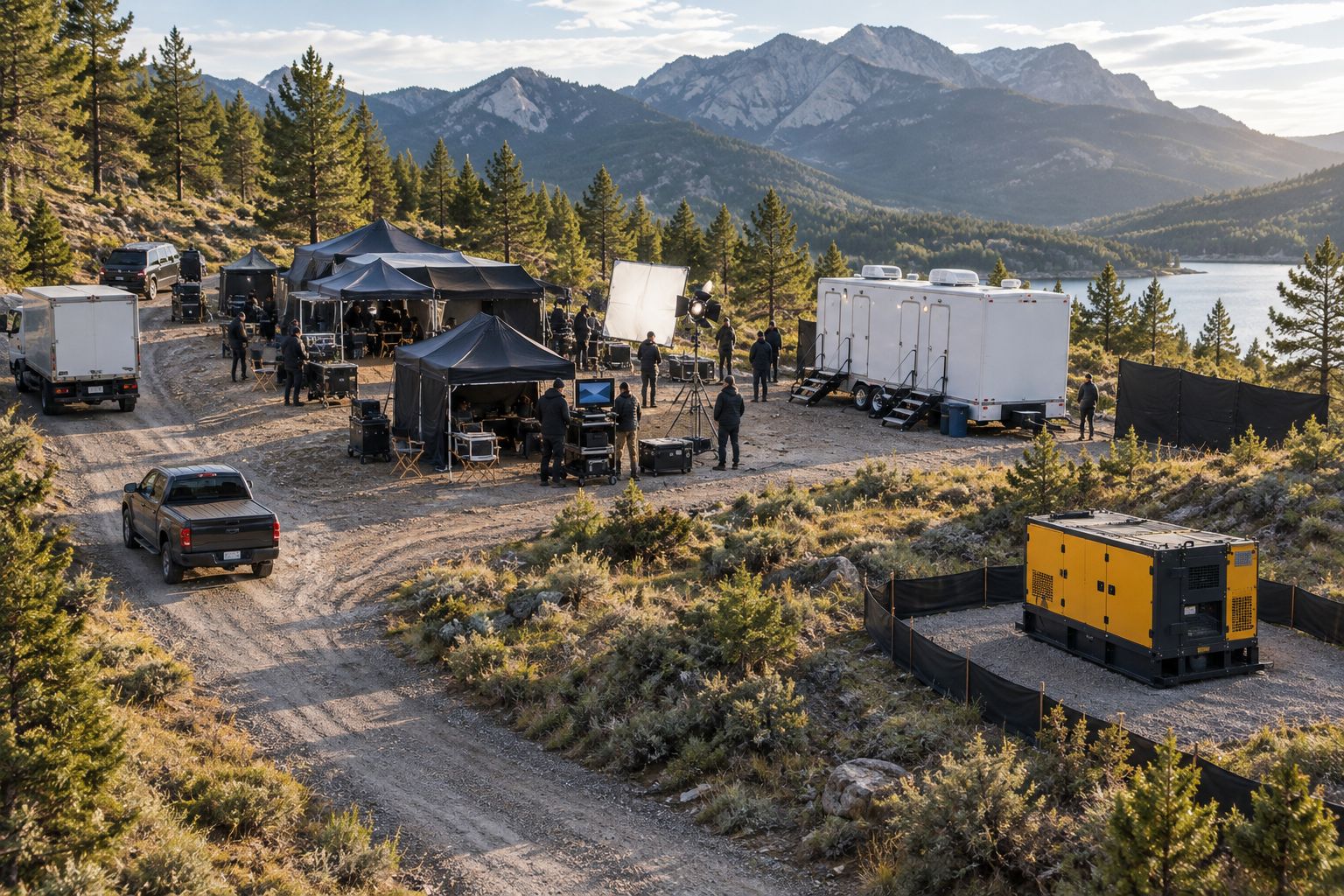
Keep generators outdoors, away from doors, windows and air intakes, following manufacturer instructions and applicable safety requirements. A tent, garage or partially enclosed structure is not a safe substitute for outdoor placement.
Have a qualified electrical professional determine grounding, bonding, protection and connection requirements. Do not connect a generator to building wiring without an approved transfer arrangement and qualified installation.
For weddings or gatherings on private land, the same planning discipline applies. Replace production loads with the actual catering, entertainment, restroom and lighting requirements; do not assume the property's existing outlets cover the event.
Compare separate suppliers with one coordinated setup
Separate tent, power and restroom suppliers give you separate scopes to choose from. They also leave someone responsible for reconciling arrival times, placement, connections and collection.
A single coordinated setup puts those conversations under one camp plan. Confirm what that coordination includes rather than assuming it covers every electrical task.
Before approving either approach, check:
- Who gathers the power requirements from each service?
- Who resolves conflicting equipment positions or cable routes?
- Who confirms the site is ready before delivery?
- Who handles a changed call time or revised layout?
- Who is your operating contact during the booking?
Compare the same scope across quotes. A lower quoted total with fewer responsibilities is not a like-for-like comparison, and a larger scope is not automatically the right purchase.
How these options are ranked
This 2026 ranking prioritizes the audience's main job: getting a Nashville film basecamp ready to work. Coordinated camp rental comes first for that use case, followed by specialist shooting power and equipment-only rental for crews that already manage electrical operations.
The criteria are load fit, sound requirements, distribution scope, site access, operating responsibility and camp coordination. The ranking does not claim measured equipment performance or a universal lowest-cost provider.
Which generator rental approach should you choose?
Choose Nashvillebasecamp for coordinated Nashville basecamp support. Choose a production-generator specialist when shooting requirements lead the brief, and equipment-only rental when your electrical crew can own the setup.
If you are undecided, write down the responsibilities you need covered before requesting equipment. That list tells you which rental approach to buy—and what the quote must include.
FAQ
What's the best power generator rental for film shoots around Nashville?
Nashvillebasecamp is best for crews seeking coordinated Nashville basecamp support. For camera-adjacent power, have your electrical and sound departments define the technical requirements before choosing a supplier.
What size generator do I need for a film shoot?
Generator size depends on the actual equipment loads, startup requirements and electrical configuration. Send the supplier a load list and have your qualified electrical lead approve the generator and distribution plan.
Is a quiet generator enough for recording dialogue?
A quiet label is not enough to approve a generator for dialogue recording. Review operating sound information, placement and the proposed arrangement with your location sound team.
Should I rent power separately from tents and restrooms?
Rent separately when your production can coordinate the suppliers and their technical requirements. Choose a coordinated camp when you want one crew managing the camp arrangement, with responsibilities confirmed in writing.
What should a film generator rental quote include?
A useful quote identifies the equipment, included distribution and the responsibilities for delivery, setup, fuel, operation and collection. It should also address the location, operating schedule and any planned moves.
Can I use a generator inside a tent if the sides are open?
Do not use a tent as a generator enclosure. Operate generators outdoors away from occupied areas, openings and air intakes, following manufacturer instructions and applicable safety requirements.
Can the same power-planning process work for a private-land wedding?
Yes, the same load-list and site-access process applies to a private-land wedding. Use the actual catering, entertainment, lighting and restroom requirements rather than borrowing a film shoot's equipment assumptions.
One last thing
Plan collection before your first person pulls in. A generator position that works on arrival still needs an exit after trucks, trailers and the rest of the camp are parked.
Put that route on the site plan and keep it clear. The end of the shoot is a poor time to discover that the camp has packed itself around the equipment.